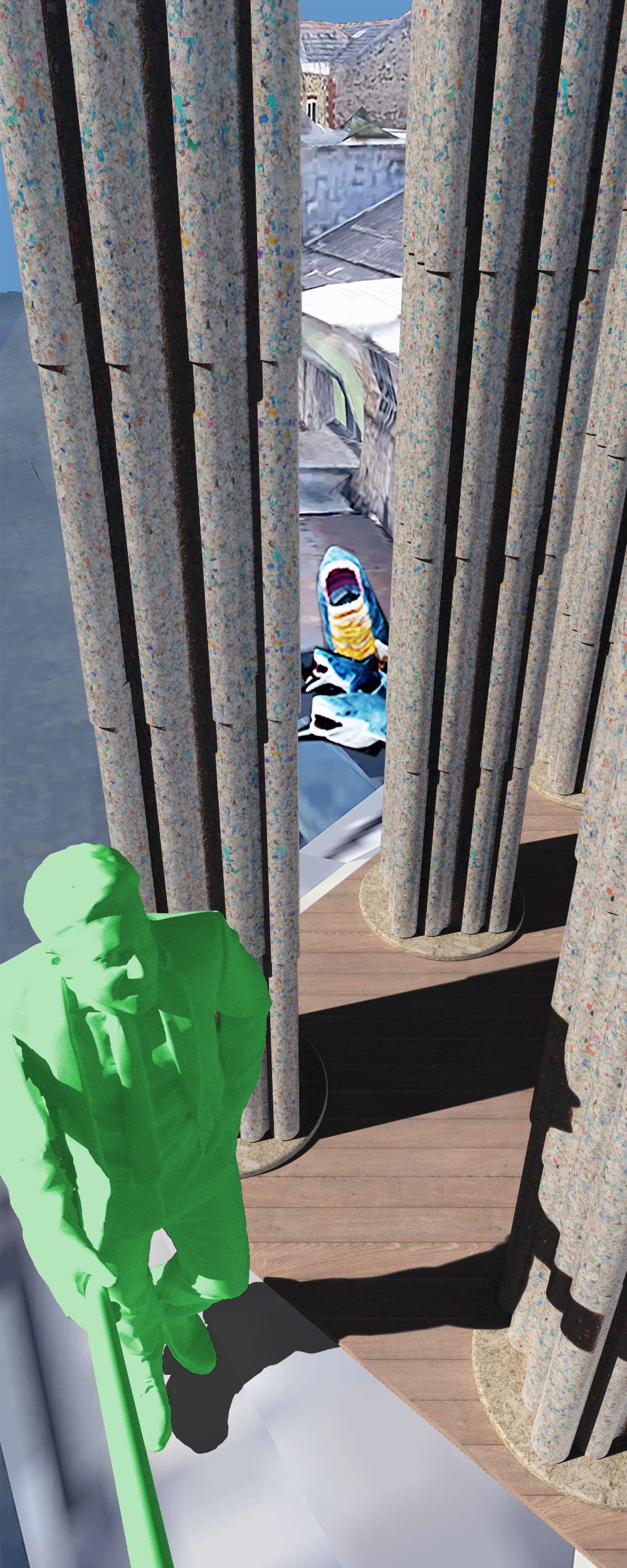
a recycled monument
proposal for Antepavilion 2025
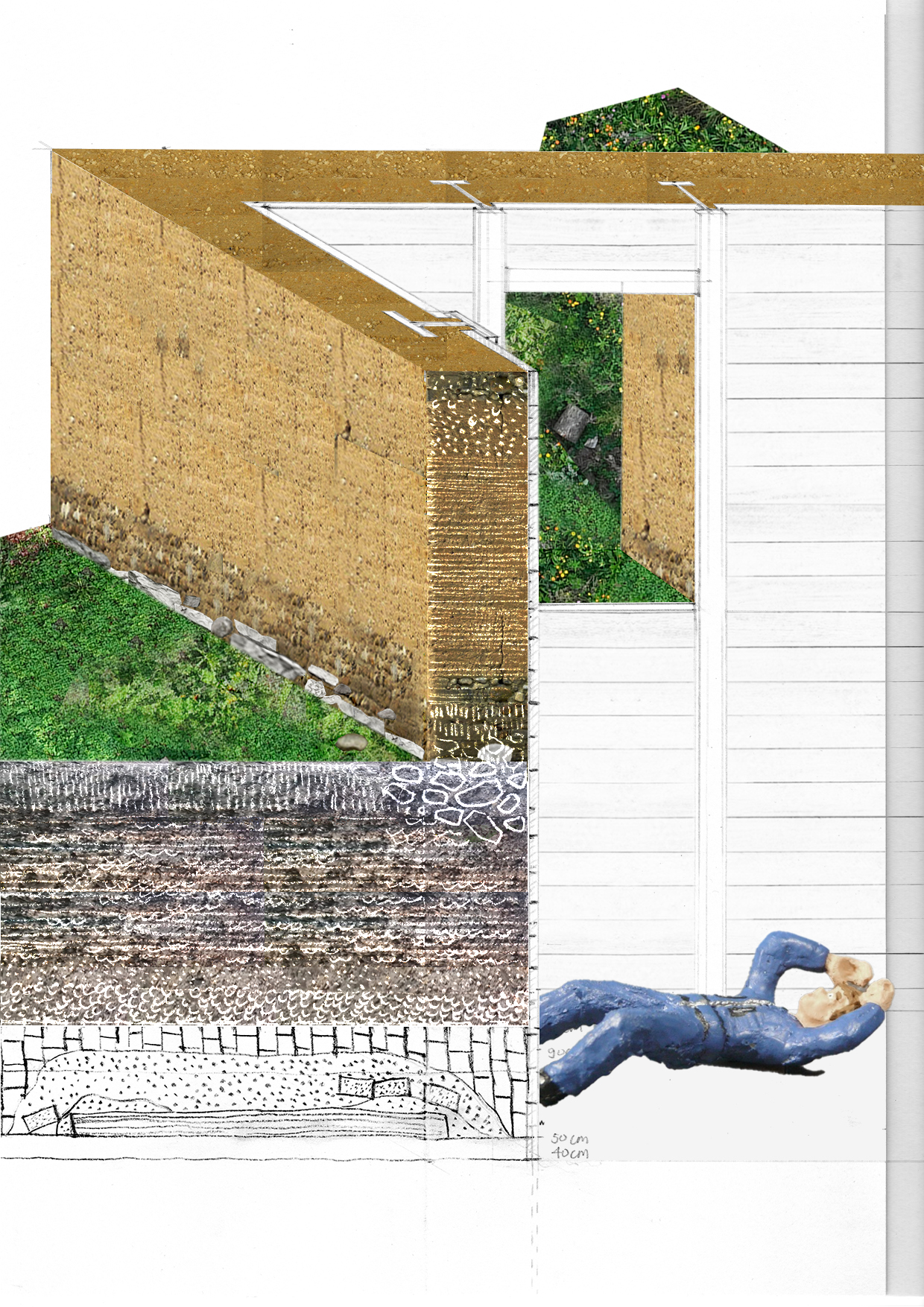
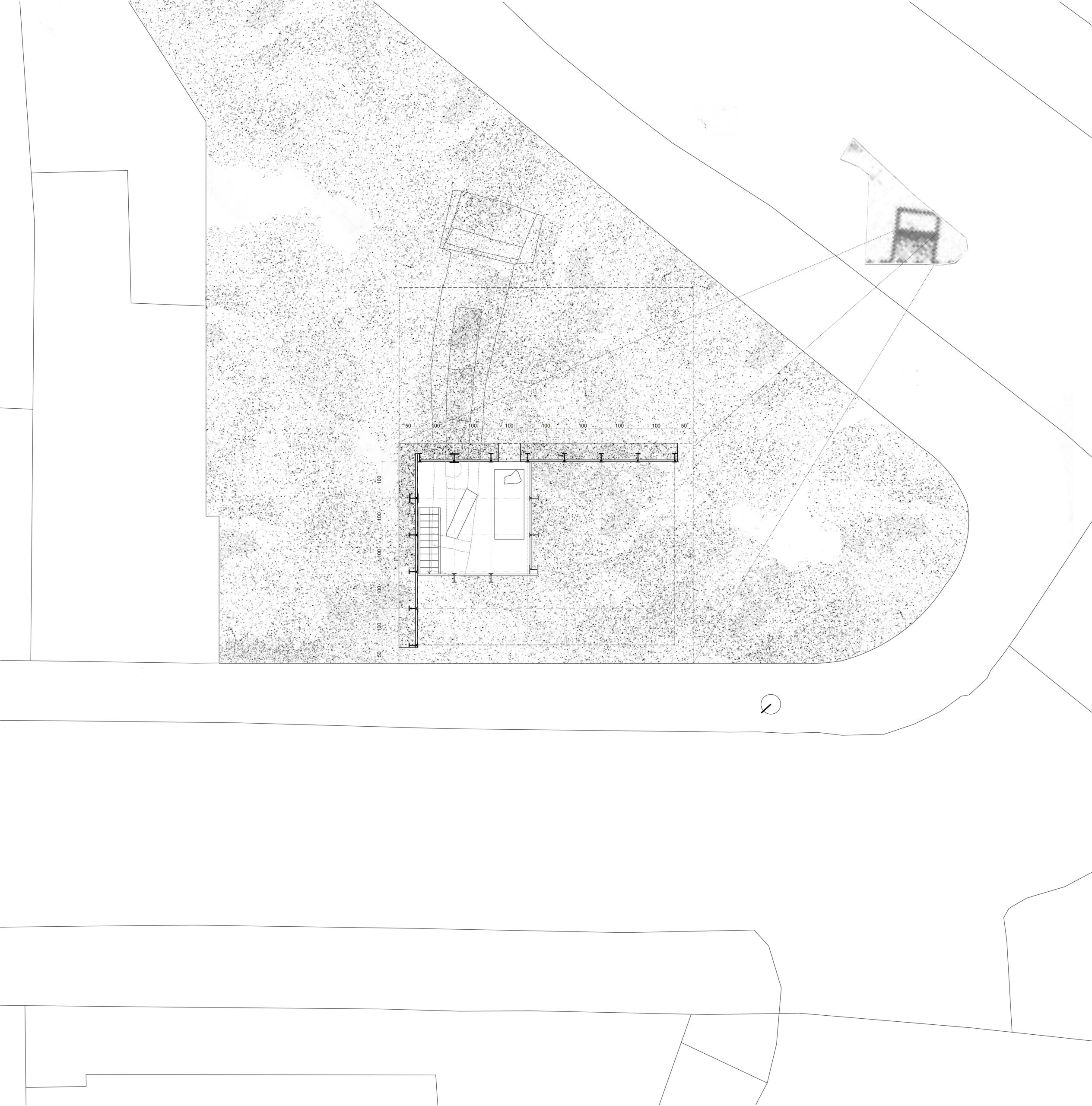
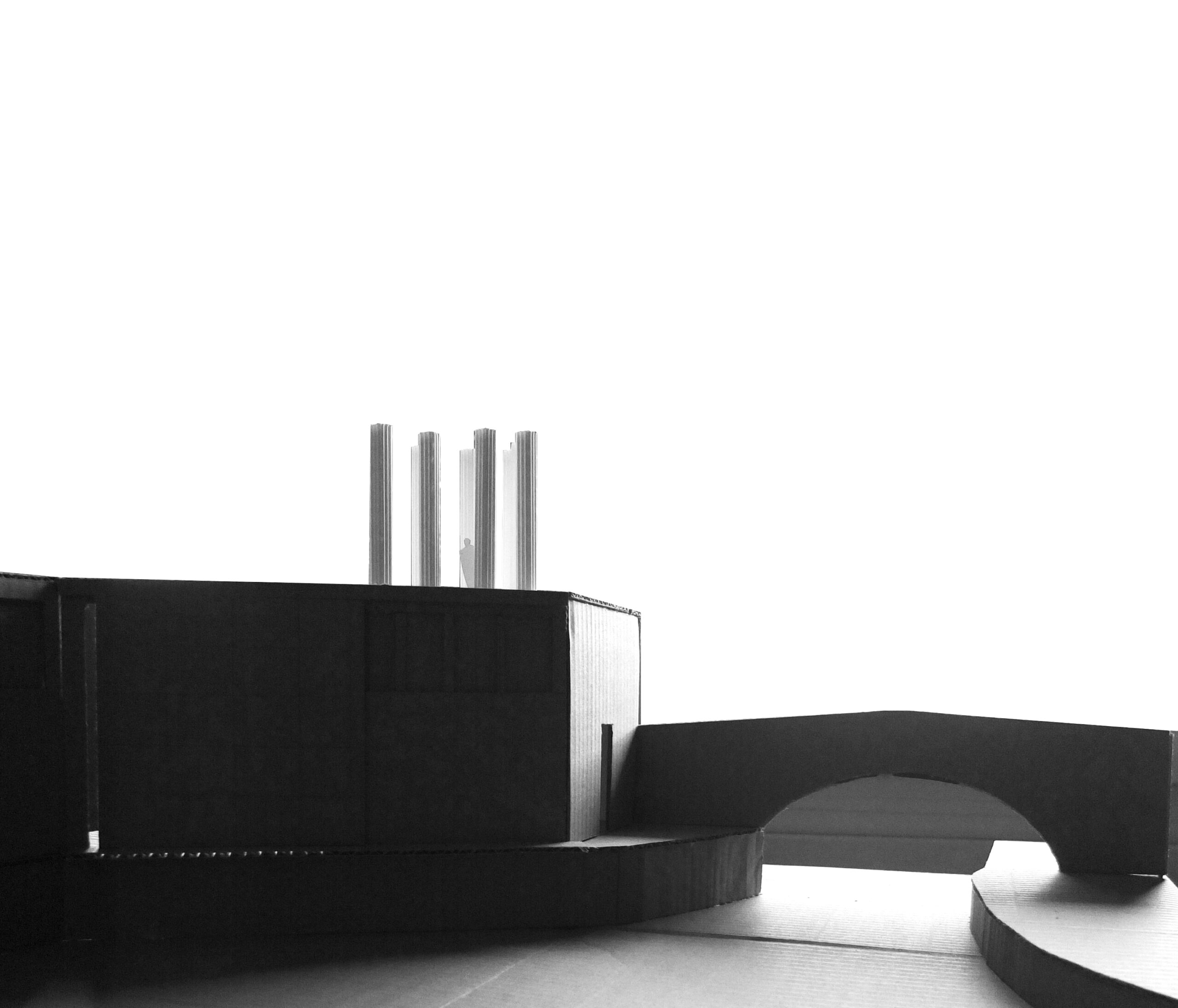
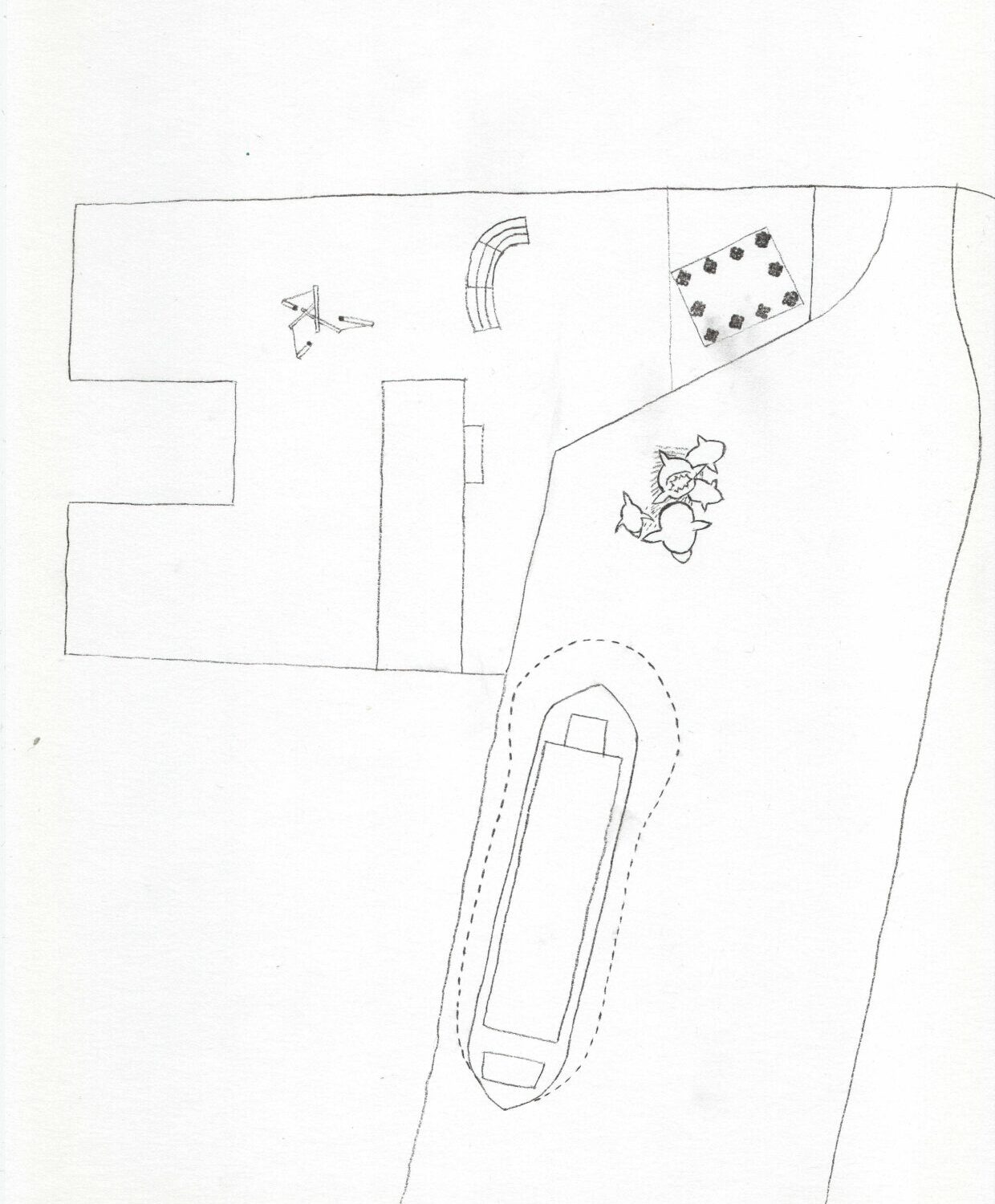
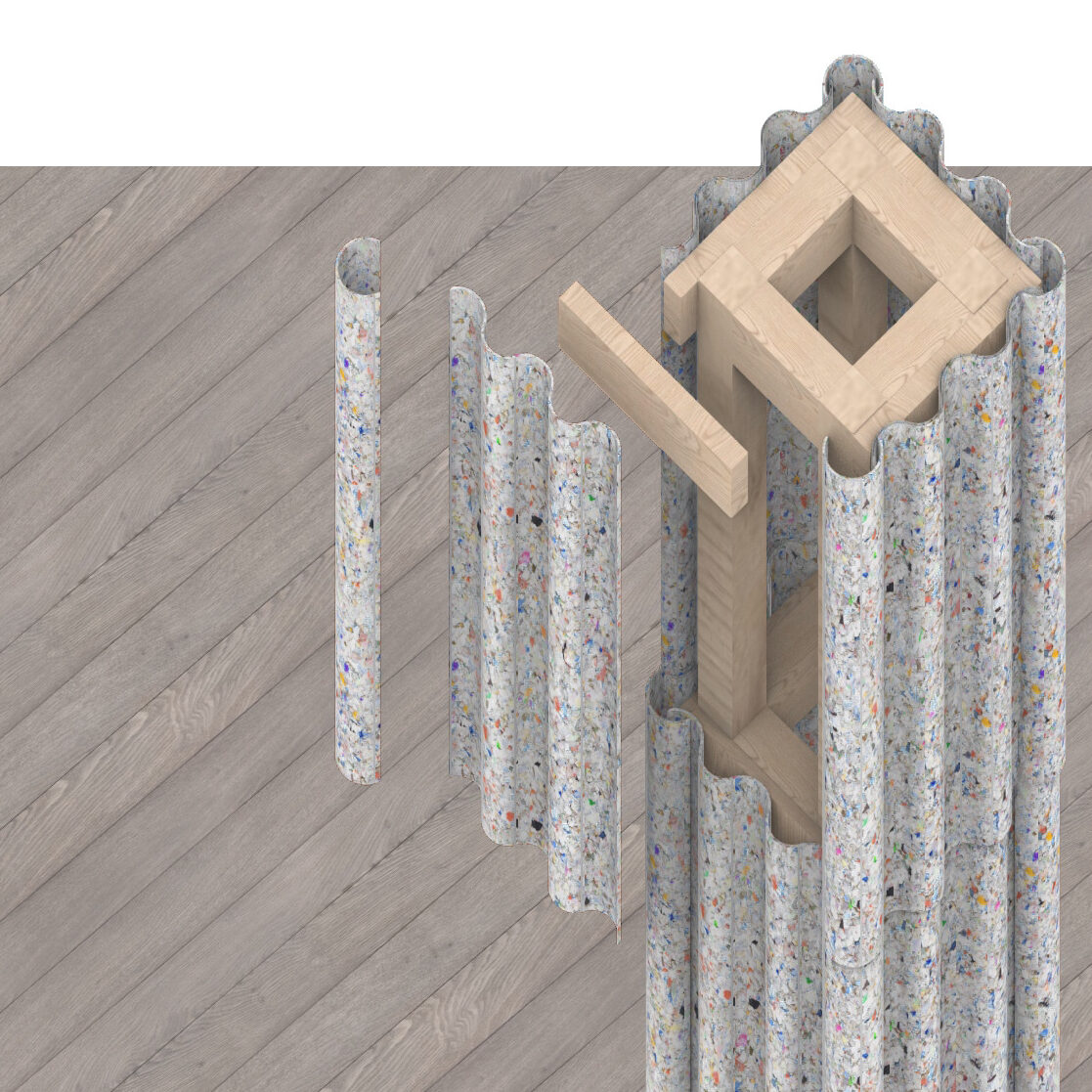
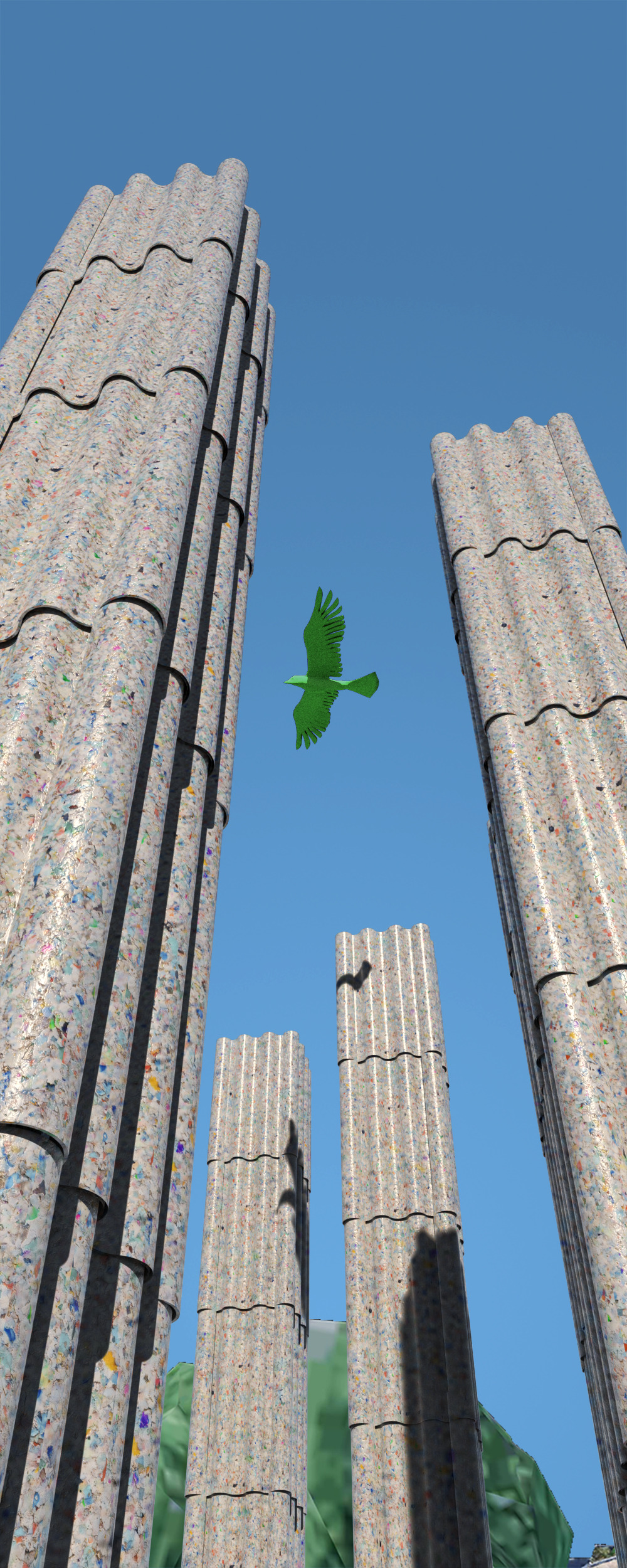
Brunswick and Columbia Wharf building, which has served as a platform for creating and displaying art since 1990, stands out towards the Haggerston Bridge with its protruding upper left corner. This building embodies the very concept of an “as found acropodium” of art and architecture, which we aim to explore in our response to the Antepavilion 2025 session. By erecting ten columns that imitate classical orders, we seek to inspire people’s imagination, inviting them to associate the body of the building and its artworks with the Acropolis plateau and its temples. Our purpose is to celebrate the place, its history, and the traces left by previous Antepavilions as a living entity.
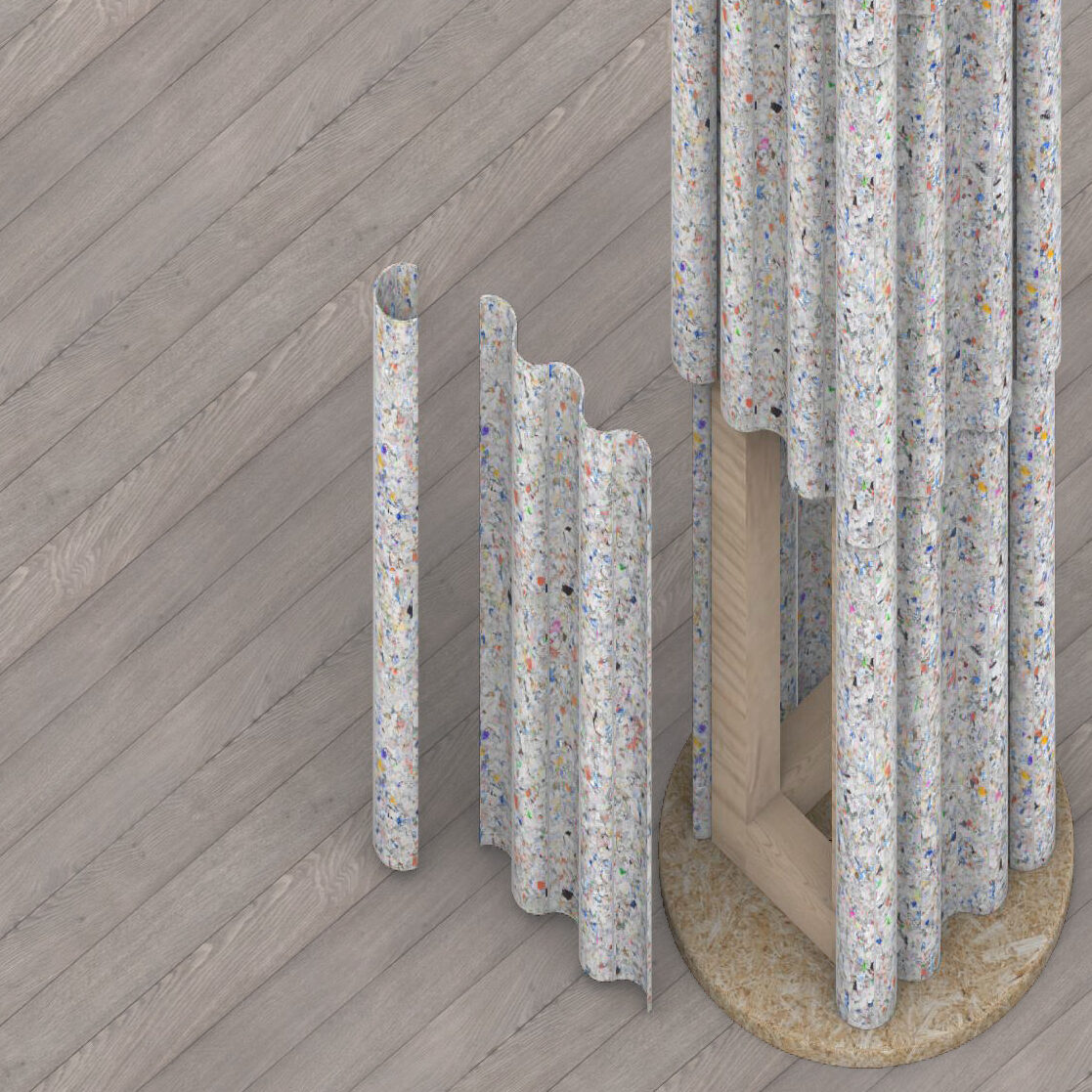
Deliberately creating monumental forms from inexpensive, recycled materials, we wish to highlight the tension between informal construction practices and top-down urban development policies. The ongoing conflict between the council and the Antepavilion revolves around the council’s refusal to recognize the erected structures as art installations or as fitting within the historic environment. While urban policies tend to be ambiguous regarding aesthetic criteria, with decisions often based on personal judgment, our proposal represents a continuation of the Antepavilion’s fight for creators’ freedom to define art and reclaim power in urban spaces.
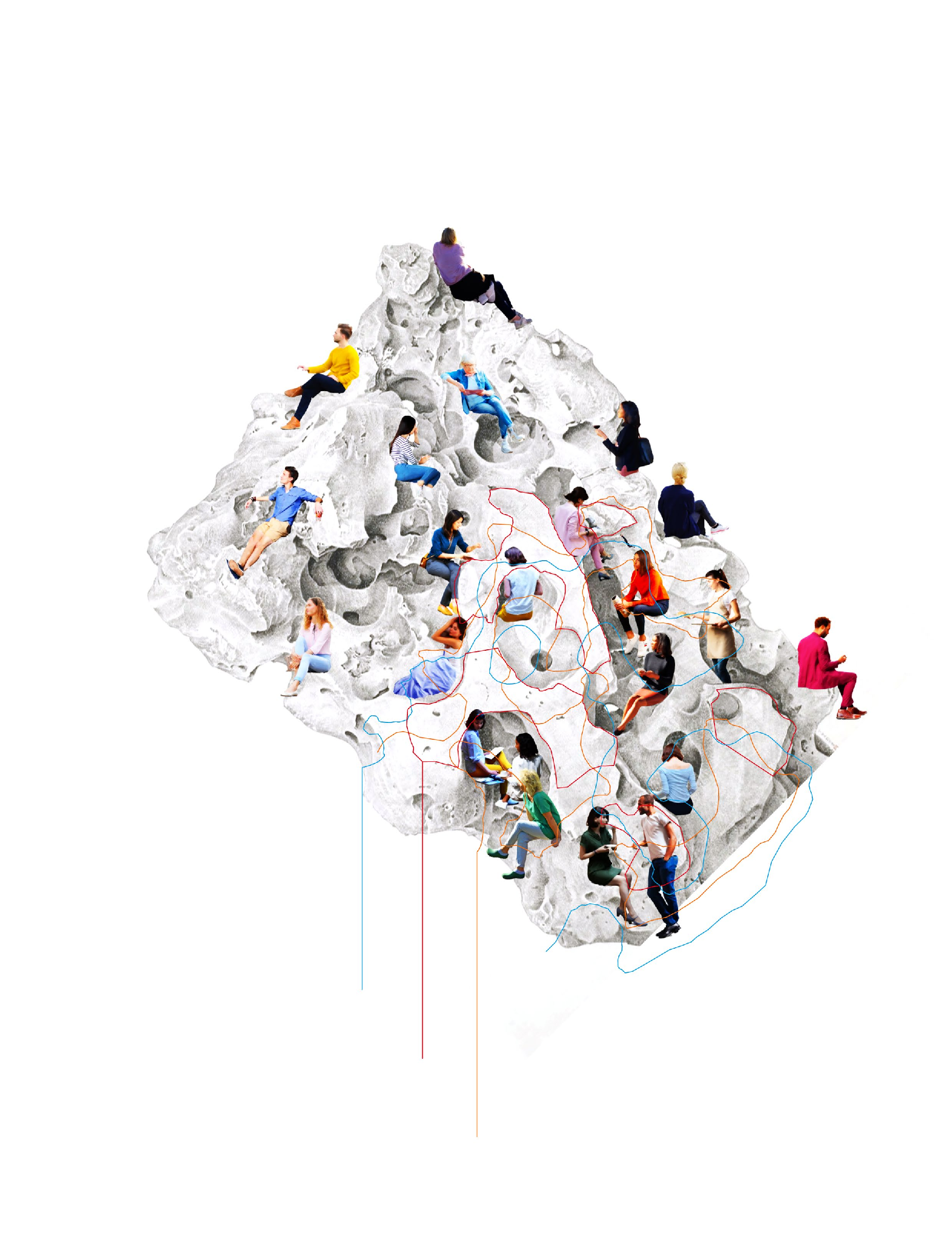
The architecture we envision with these ten columns defines an undefined, open space where various activities can take place. This is a response to the challenge of reconciling architecture with art installations. Can art be functional? Can functional architecture be considered art? In fact, architecture is not solely about the buildings themselves; it is about the spaces they create and the interactions they foster. What the council criticizes is precisely what the Antepavilion program values: creating spaces that provoke dialogue, invite discussion, and engage people in meaningful conversations.
Just as the function of the Parthenon has evolved over time—from a temple to a Christian church, a mosque, and now a world heritage site—we wish to draw attention to the complexity of architecture and its potential for transformation.